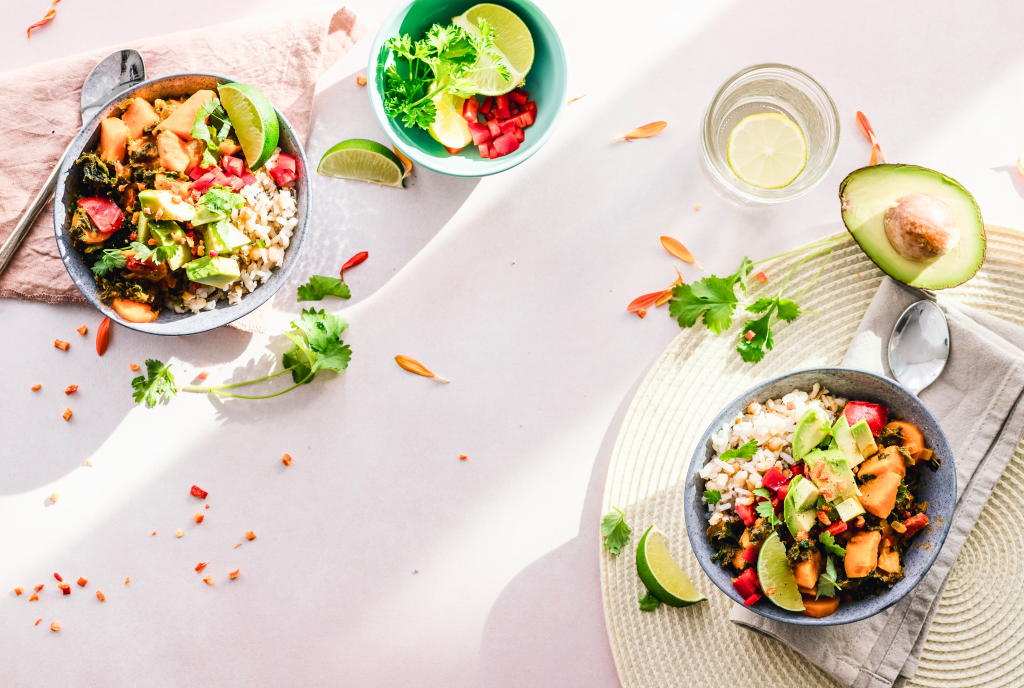
Without calling it fibermaxxing, because taking care of your health isn’t a social media trend, it’s a long term game.
– Nutritionist side note: also, if you do “fibermax” after not being used to large amounts of fiber in your diet, it will not be fun. Prepare for bloating, cramps, gas and all the inconvenience that comes with it.
Let’s approach increasing our fiber levels sustainably. Because, fiber truly matters – and is often overlooked when talking about healthy nutrition.
Why Do We Need Fiber?
Fiber supports healthy digestion, stabilizes blood sugar, makes your meals more filling and satisfying, nourishes your gut microbiome, and even plays a role in heart health.
Most adults need around 30 grams per day, yet many adults don’t come even close to that number.

I’d like to help you change that by inspiring you with 50 simple ways you can add more fiber to your meals, without restriction or diets. I’ve divided them into sections for easier use.
Gentle nutrition focuses on addition and variety – not cutting out food groups or restricting foods that you enjoy eating. So that’s exactly what we’re going to do here, add some variety to what you already enjoy.
Some Notes Before You Start
As mentioned, if you’re not used to high-fiber diet, you might experience some uncomfortable side effects.
To avoid this, I always recommend to my clients, and now you, to start slowly – utilizing all 50 tips right away will not be useful.
Additionally, if not already, add some yoghurt and fermented foods to your diet before you start adding more fiber, so your gut bacteria can be prepared.
Make sure to drink enough when start your fiber journey!
Your digestion (and gut bacteria!) need time to adjust, do add more and more fiber gradually.

Here are 50 practical, realistic ways to reach 30 grams of fiber per day:
Whole Grains and Starches
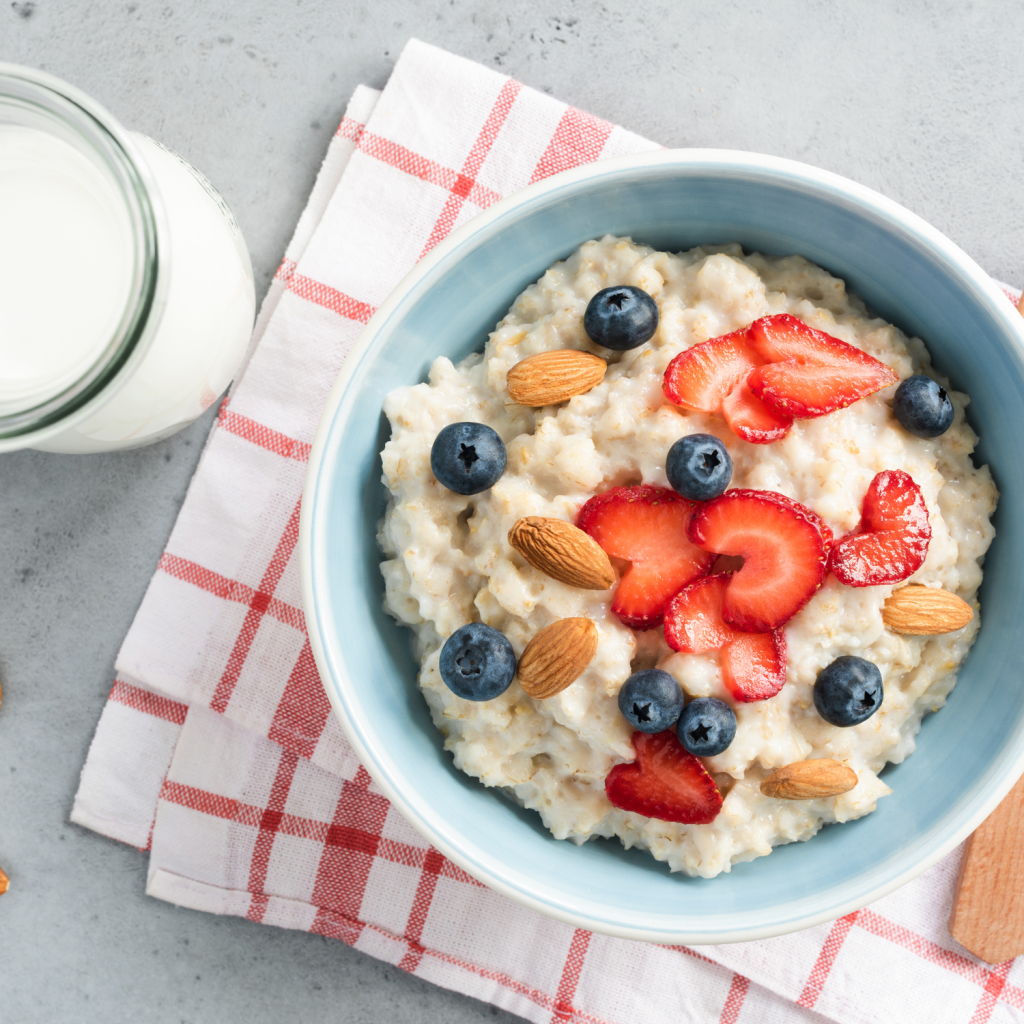
- Start your day with oatmeal instead of low-fiber cereal.
- Add chia seeds to your oats or yogurt (1 tbsp = ~5g fiber).
- Sprinkle psyllium husks into your smoothies or porridge.
- Choose whole-grain bread instead of white bread.
- Swap white rice for brown rice, or parboiled rice.
- Try quinoa or amaranth as a base for bowls or salads.
- Add barley, buckwheat or millet to soups or stews.
- Use whole-grain pasta, or legume based pasta instead of regular pasta.
- Try buckwheat or spelt for variety.
- Enjoy popcorn on your movie nights (made with olive oil, topped with salt or dark chocolate – which is also a good source of fiber).

Legumes
- Add lentils to soups or curries, or make lentil bolognese.
- Make a chickpea salad for lunch.
- Add black or kidney beans to tacos or burrito bowls.
- Blend white beans into pasta sauces for creaminess.
- Roast chickpeas or peas as a crunchy snack (especially easy if you have air-fryer)
- Try hummus as a dip.
- Add kidney beans to chili.
- Stir red lentils into tomato sauce.
- Make a three-bean salad.
- Add a handful of peas to pasta or rice dishes.

Vegetables
- Add spinach or kale to smoothies.
- Fill half your plate with vegetables at lunch and dinner.
- Snack on carrots or red bell peppers with hummus.
- Roast Brussels sprouts and carrots with olive oil.
- Make a “hidden veggie” tomato sauce.
- Grate zucchini into baked goods, or carrots as a carrot cake vibe – works great for baked oatmeal.
- Top pizza with grilled aubergine, zucchini and mushrooms.
- Include a side salad with pizza.
- Add shredded cabbage to wraps or bowls.
- Enjoy a hearty vegetable soup.
Fruits
- Eat fruits like apples or pears with the skin.
- Add raspberries to yogurt or smoothie.
- Try banana berry ice-cream (blend frozen bananas, berries and yogurt).
- Add dried cranberries or goji berries to oatmeal.
- Enjoy dried figs or prunes; dried figs and walnuts whole grain bread, add prunes to your meat based sauces like bolognese.
- Make a fruit salad with kiwi and berries.
- Avocado toast, or even chocolate avocado pudding (for those of us who hate avocados :)).
- Top pancakes with stewed apples cooked with raisins.
- Add pomegranate seeds to salads.
- Eat oranges instead of drinking juice.

Nuts, Seeds und Extra Tips
- Add almond butter to toast or porridge.
- Sprinkle pumpkin seeds over salads.
- Add roasted sunflower seeds to yoghurt bowls.
- Add a handful of peanuts to your snacks.
- Make energy balls with oats, nuts and dates – or even dried figs and prunes.
- Add chia pudding as a breakfast option.
- Stir flaxseed into pancake batter, smoothies and oatmeal.
- Top soups with roasted seeds.
- Add extra veggies and beans to frozen meals to boost fiber.
- Simply try to include one fiber source at every meal and snack. (Along with generally trying to have balanced snacks and meals – learn how here.
If you want personalized support, I’m here to help. Simply book your free discovery call where we’ll see how I can support you.
With me you will learn how to build balanced meals, trust your body, and create lasting food freedom.
Learn more about working with me here.
 Nina Kaufmann
Leave a comment