
With the diet culture, most of us ever looked at creating “healthy” meals to be as small as possible, afraid of ever eating “too much” and barely paying attention to taste (or we try to gaslight ourselves that carnivore oreos taste EXACTLY like the real thing.. And no, I’m not making this up, you can’t make that up. I wish I was though.)
When dieting, we often focus on eating as little as possible, which leaves us feeling unsatisfied and we get hungry quickly after eating. Then the diet culture teaches us we’re the issue; “just drink some water or chew a gum” which is the worst advice, but that’s a topic for another day.
With intuitive eating, however, we focus on creating meals that are truly satisfying and filling. To achieve this, we will do our best to have meals that incorporate all the macronutrients, but also pay attention to satisfaction factor. This way you can enjoy meals that support your physical fullness, but also mental satisfaction.
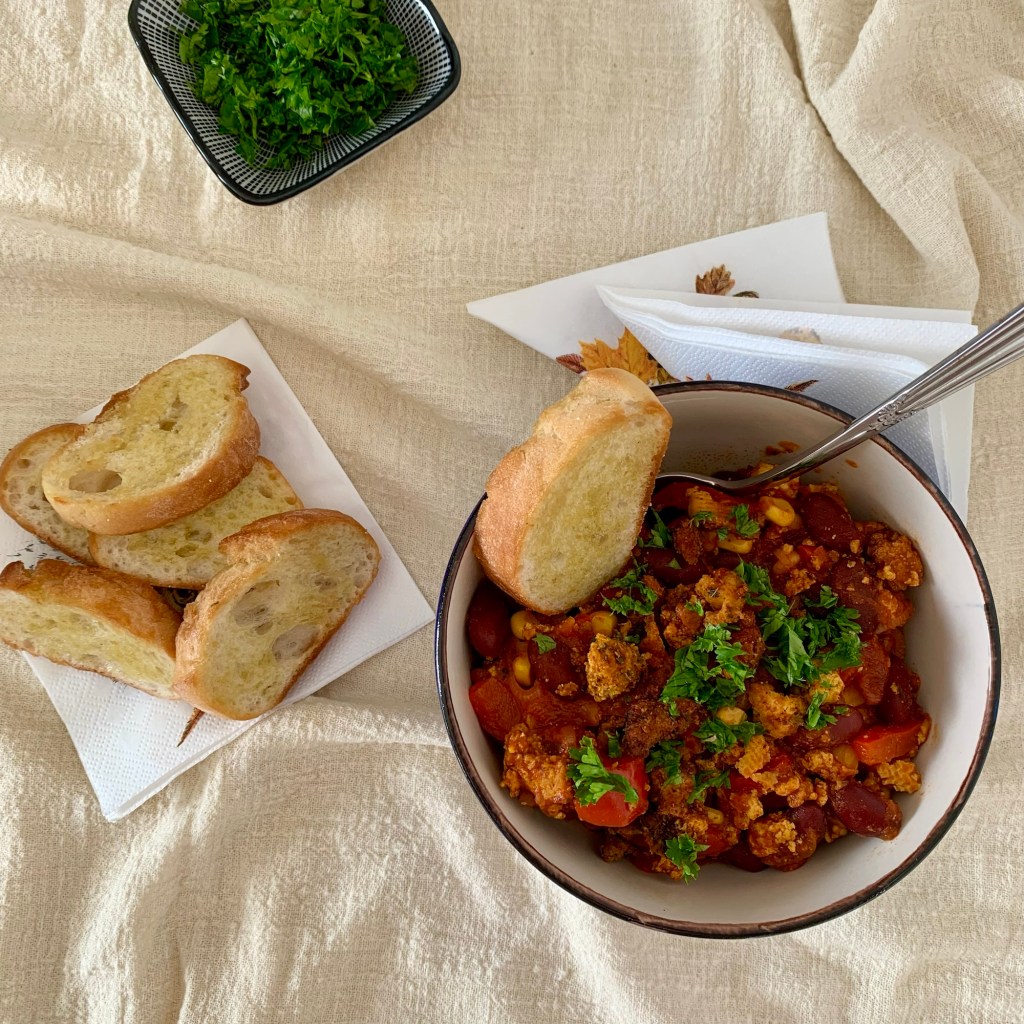
Before we dive in, I would like to emphasize that everything in this article is to be used as a gentle guideline, not a must. It’s perfectly fine is some of your meals or snacks end up missing some of the mentioned components, or they aren’t perfectly delicious and satisfying. Life happens, and that’s competely okay. As you know, intuitive eating is never about perfection.
It’s also worth mentioning that the amount of food you need to feel satisfied and full might change. Somedays you’ll be hungrier than others, and most likely there’s a reason for that. Trust your body’s wisdom, and honor your hunger.

What Makes a Meal Truly Satisfying?
A satisfying meal honors your body and your taste buds, leaving you feeling not only full but satisfied.
This comes from including:
- Macronutrients (carbs, proteins and fats)
- Taste Factor (sweet, salty, sour..)
- Different textures (creamy, crunchy..)
- Enough volume to feel full without discomfort
- Emotional satisfaction: it feels like the “right” meal for you in the moment
You will notice that you can use this guidance for any meal or snack; it works for soups, bowls, smoothies or quick girl dinners. And you can tell, just by looking at your plate, if you have the balance you want.
Components Of A Satisfying Meal
Macronutrients are important part of creating a balanced, satisfying meal.
Carbohydrates:
According to diet culture, carbs are a national enemy no 1. This couldn’t be further from the truth. We need carbs to thrive, they’re the best energy source, and the only energy our brains use. And our brains use a lot of energy, around 20%, meaning, we need to eat enough carbs to sustain ourselves, even on the days we’re not very active. Every cell in our body uses carbs, in different amounts.
Because our bodies need carbs to thrive, biology made sure they give strong signals when their needs aren’t being met: obsessive thoughts about food, inability to focus, intense hunger, all the way to feeling dizzy, moody and ready to eat everything in sight.
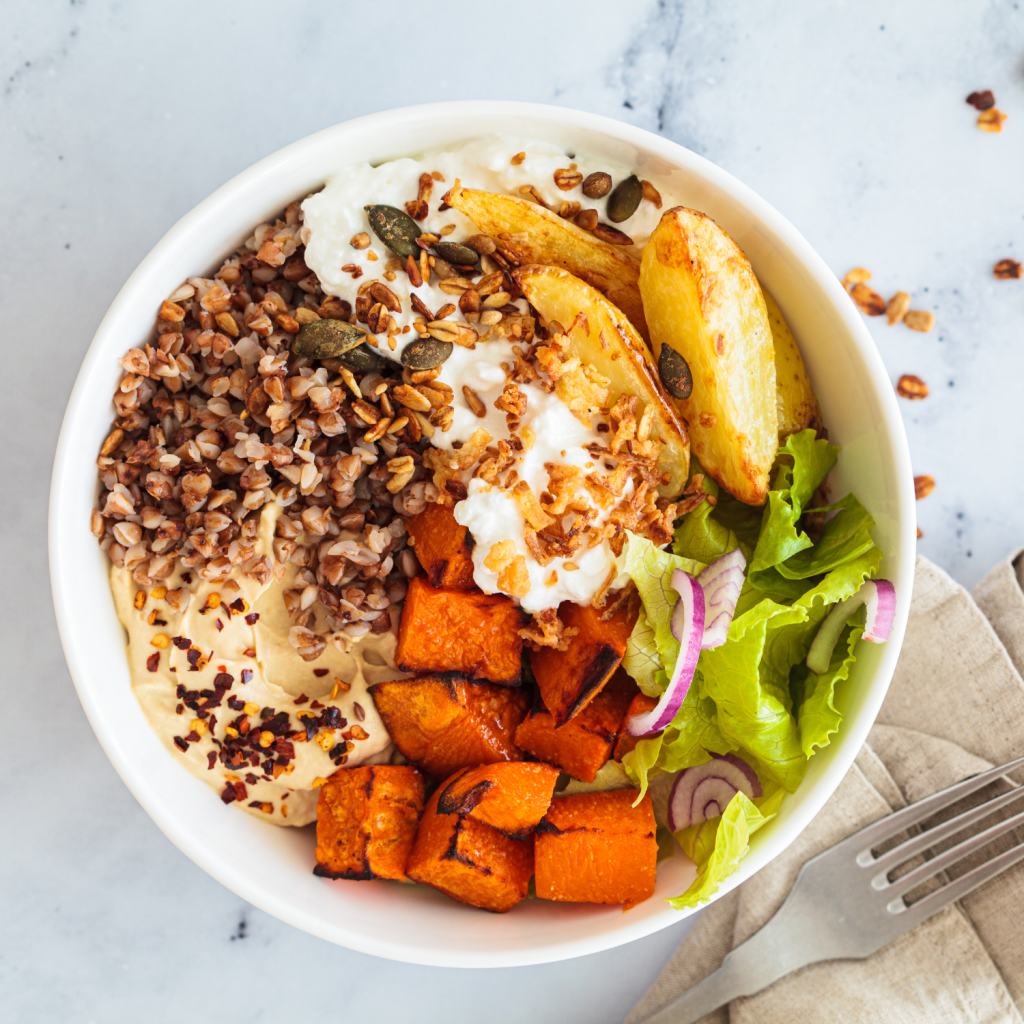
Therefore, our meals should include carbs to be satisfying.
Based on their chemistry, carbohydrates show up in three categories:
1. Sugars: easy and quick source of energy, found in foods such as: foods with added sugars, honey, table sugar, fruits and fruit juices.
2. “Complex carbs”: which turn into simple sugars when digested, such as:
– Grains: anything made with flour, bread, pasta, pastries, cereals, but also rice, quinoa, corn, buchwheat, oats
– Starchy vegetables: potatoes, sweet potatoes, parsnips
– Legumes: beans, chickpeas, lentils, peas
3. Fiber: we don’t really digest fiber, but it’s still beneficial for digestive health and more. You can get it from all fruits and vegetables, legumes and whole grains.
It would likely be most satisfying to include at least one source of complex carbs, and you’re allowed to have more than one! Like enjoying rice and beans, or pita bread with falafel.
And with it, it’s wise to include some fiber rich foods like vegetables and fruits to add volume, variety, and nutrient density. Adding volume to our meals is important – as the stomach stretches, it signals fullness and satiety.

Besides, fiber rich foods will help you feel satisfied and full until your next meal, and help stabilize your blood sugar and energy levels.
Protein:
Adding protein to your meals will help you feel full and satisfied; as we get enough amino acids (building blocks of proteins) flowing through our blood, hormones of satiety get released and we feel full and satisfied.
Besides, as you probably know since proteins are glorified in the diet culture as the greatest thing that happened to food, they play a vital role in renewing and building muscles and tissues, which is amazing! Therefore, including protein sources in your meals and snacks will also help you create filling, satisfying meals and snacks.
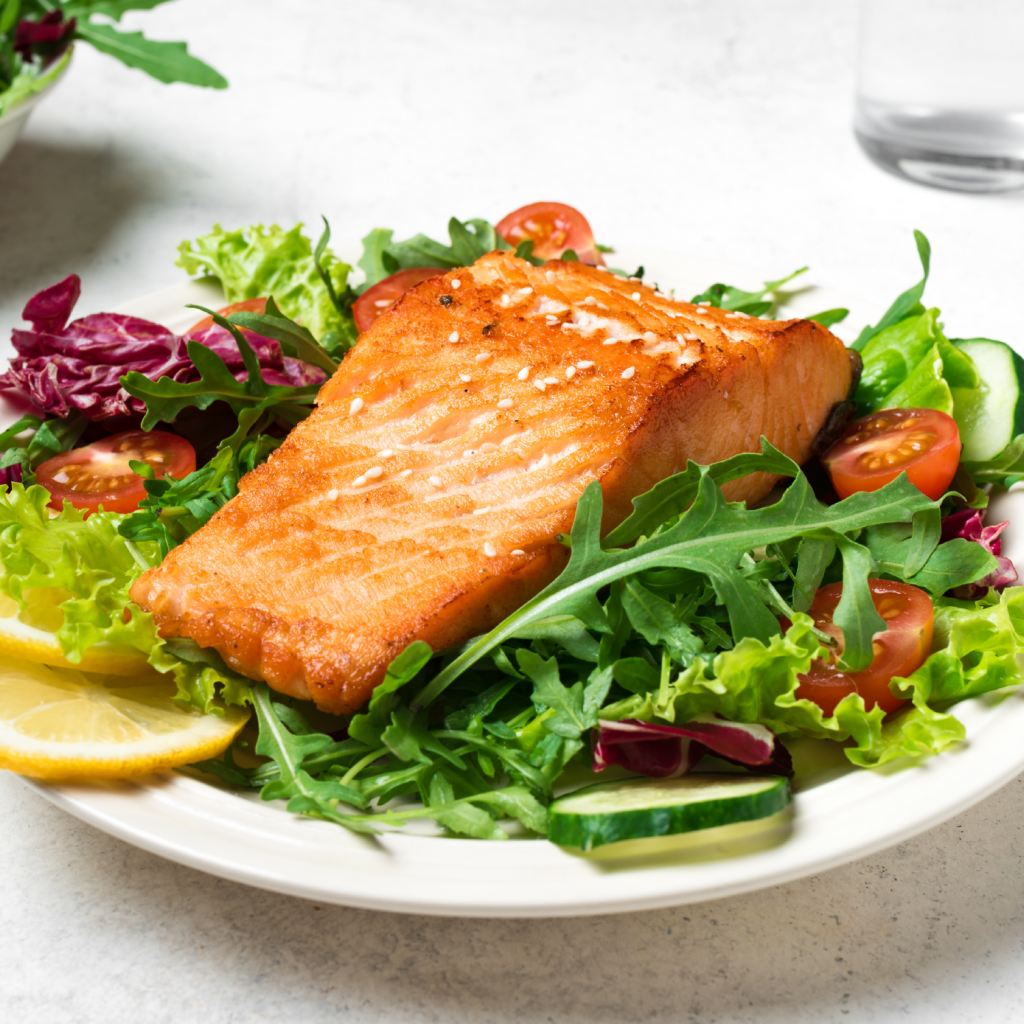
You can include animal or plant based proteins, some of the foods you can choose are:
– Fish and seafood
– Eggs
– Tofu, tempeh, soy beans
– Beans
– Dairy: milk, cheese, yogurt
– Meat alternatives
– Protein powders
– Meat and poultry
– Quinoa, nuts and seeds
Fats
As far as satiety goes, fats are essential. Including fats in your meal with slow down gastric emptying, meaning you’ll stay full longer, and your blood sugar will remain stable for longer.
Also, some vitamins (A, D, E and K) are fat-soluble, meaning that in order to absorb them we need to eat them with fats.
There vitamins play roles in keeping our hair, skin, brains, tissues and hormones healthy – so you can see why it’s important to get enough of them!
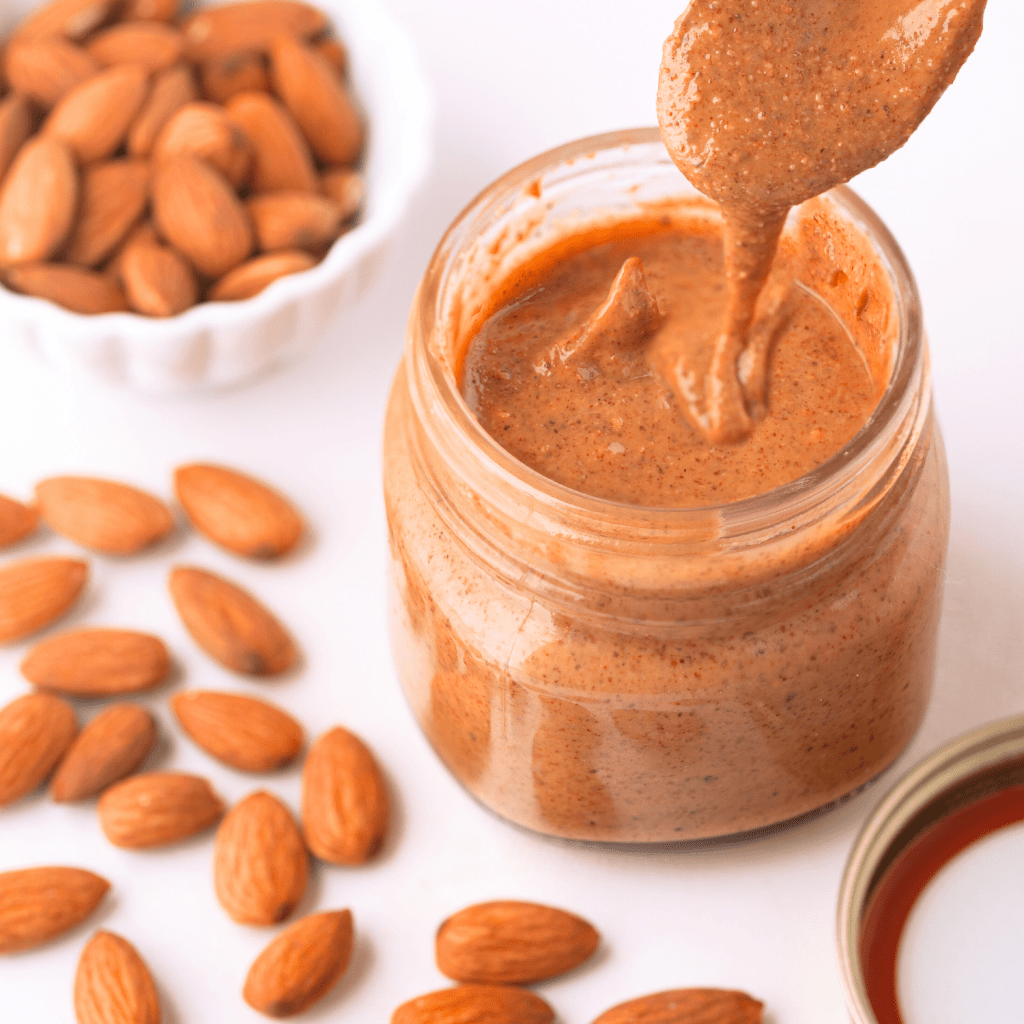
Fats also carry taste, making our meals rich, and therefore satisfying.
You can include one or more fat sources into your meals, depending on what you’re making.
Fat sources to consider:
– Oils: olive, coconut, sunflower, peanut etc.
– Butter, lard and similar
– Nuts and seeds
– Eggs
– Dairy
– Avocados
Last But Not Least: Satisfaction Factor
To feel truly satisfied after our meal, you need to pay attention to the pleasure factor of the meal. Meals aren’t supposed to be just physically filling, they’re supposed to be pleasurable too, so that you can feel emotionally satisfied as well. Nutritionally balanced meals that are bland or unappealing won’t feel truly satisfying. (Note: sometimes you might be sick and those will be all that you can handle, that’s okay!)
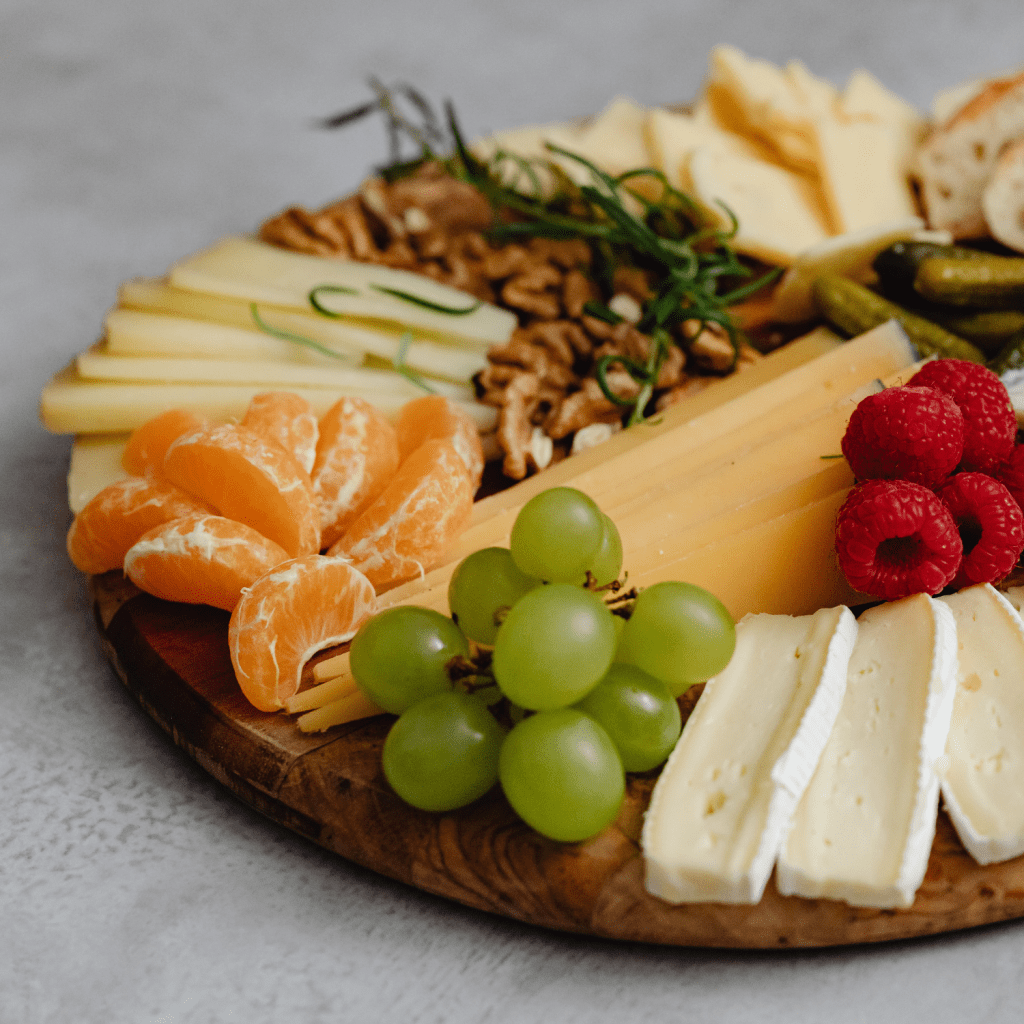
However, keep in mind that some meals might not be the most delicious meals ever, and that’s okay. Maybe you’re in a rush and grab a quick bite before heading out, honoring the practical hunger. Maybe at work you realize you’re not really into the lunch you’ve packed, but it’s ready and convenient, so you still eat it. Intuitive eating is never about perfection!
Adding a pleasure factor to your meals can come from different elements. Before choosing a meal, it’s good to check in with yourself and decide what would be most satisfying right now.
Taste Elements to Play With:
– Sweet: Fruits, roasted veggies, honey, or dessert
– Salty: Added salt, cheese, olives
– Sour: Citrus fruits, pickled foods, vinegar
– Umami: Parmesan cheese, soy sauce
– Bitter: Coffee, cacao
Don’t Forget the Texture, try These Combinations:
– Creamy and Crunchy: Yogurt with granola would be my personal favorite
– Soft and Crispy: Soft cheese with roasted chickpeas in a salad
– Warm and Cold: Oatmeal with fresh fruit
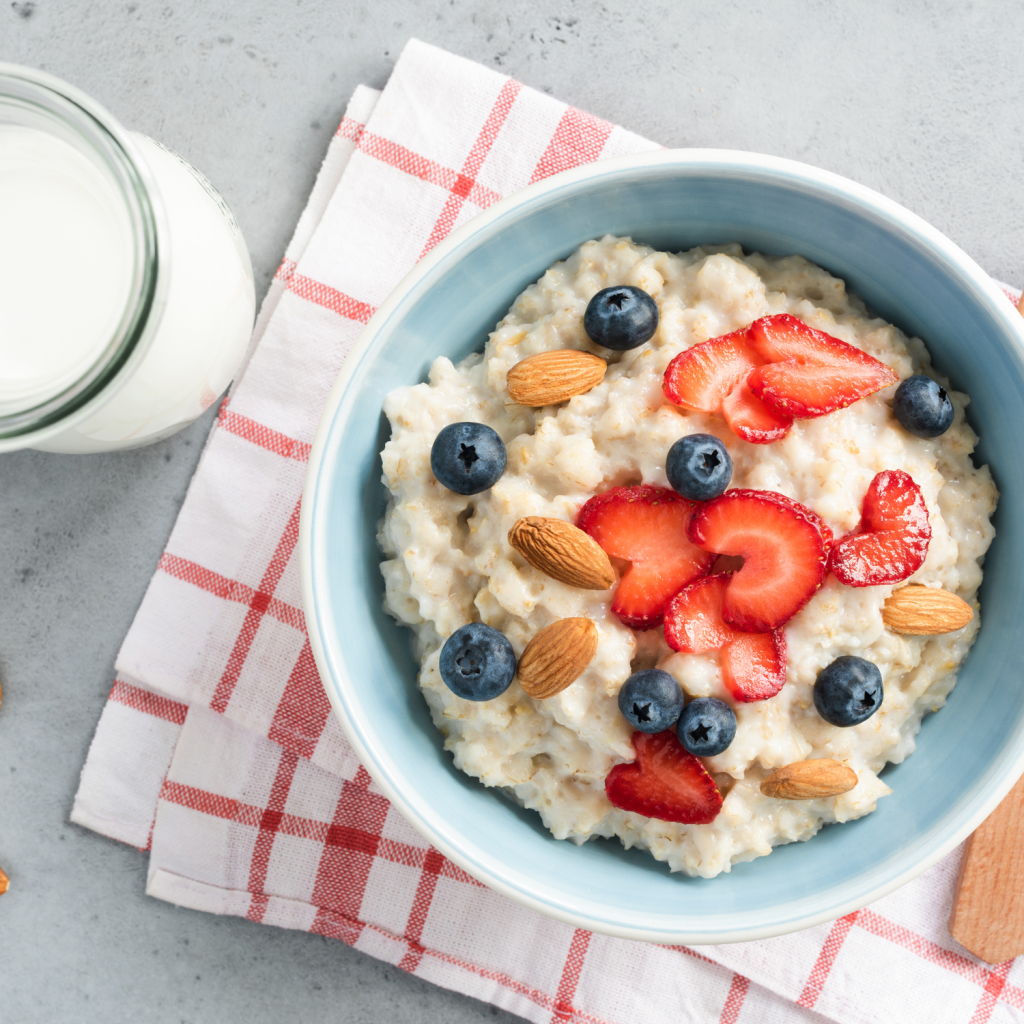
Other Ideas For Honoring the Pleasure Factor:
– Adding different spices and herbs
– Topping your vegetables with shredded cheese
– Enjoying rich sauce or a delicious dip with your meal
– Eating a dessert after the meal
Step-by-Step Guide to Creating a Satisfying, Filling Meal
Follow this simple framework when creating your meals and snack:
1. Choose a carbohydrate base: quinoa, whole grain pasta, rice, sourdough bread
2. Add a protein source: lentils, beans, eggs, tofu, salmon, chicken
3. Include fats: nut butter, olive oil, tahini—whatever works with the recipe
4. Add volume: fiber rich foods, vegetables, fruits
5. Add a variety of textures and flavors
6. Check in: Does this meal look and feel good? Would adding something make it even more satisfying?
When following this framework, please remember that it’s meant as a gentle guide, not “a must.” Not every meal or snack will be perfectly balanced, and that’s completely fine!
Sometimes you’ll be in a mood for a less balanced meal; enjoy it and move on with your life. As an intuitive eater, you know that what you eat some of the time/most of the time matters, and one “unbalanced” meal won’t have a great impact in any sense. So give yourself grace!
Experiment with flavors, listen to your body, and most importantly, enjoy your meals!
Let’s Make It Personal – Work With Me!
Feeling unsure about how to create meals that truly satisfy you and fit into your lifestyle? If you want personalized guidance in building meals that align with your body’s needs and your personal preferences, I’d love to help!

Through 1:1 coaching, we’ll work together to:
– Create filling, delicious meals that work for your lifestyle
– Build confidence in listening to your hunger and fullness cues
– Ditch food guilt and learn flexible, non-restrictive nutrition that actually feels good
Let’s create meals that nourish and bring joy. Book a free discovery call today, and let’s get started on your intuitive eating journey!
Or email me at hello@ninakaufmann.org with any questions you might have!
Take the first step toward food freedom, my coaching packages start at only 197€. Click here to learn more!

 Nina Kaufmann
Leave a reply to Why the French Don’t Diet (and What We Can Learn From Them) – Nina Kaufmann Cancel reply