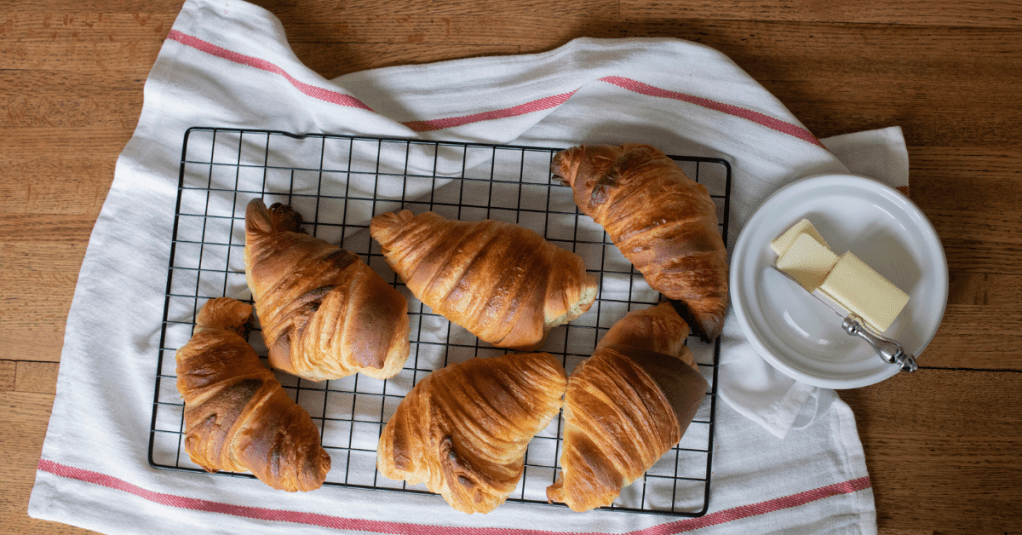
Have you ever eaten a piece of cake and immediately thought, “I was bad for eating that”? Or praised yourself for choosing a salad because it was the “right” choice? If so, you’re not alone. We live in a world where food is constantly labeled as either “good” or “bad,” and these labels often determine the way we think about foods we choose – and ourselves.
But here’s the truth: food has no moral value! It does not have inherent goodness or badness (unless you unalived someone for a cookie, I suppose.) Yet, diet culture has made us believe that what we eat somehow determines our worth, with the phrases like “I’ve been so bad this weekend, eating all that pizza,” or “I’ve been so good this week, I deserve some chocolate!”
This way of thinking does more harm than good, leading to guilt, shame, and an unhealthy relationship with food.
Let’s break down why labeling foods this way is damaging and how shifting to food neutrality can lead to true health, which is soft and balanced.
The Psychological Impact of Labeling Foods As “Good” Or “Bad”
One of the biggest issues with labeling foods as “bad” is the guilt and shame you feel when you end up eating them, which is mostly inevitable. Especially since the foods diet culture teaches us to label as “bad” are abundant, all around us, and are often a part of our everyday lives.
Then, instead of simply enjoying a delicious food, you feel like you’ve “broken a rule”, “been bad”, or done something wrong.
This guilt and shame can easily trigger another cycle of restriction, then craving, followed by overeating/binge eating the “bad, forbidden” food… Which creates more guilt, which leads to more restriction… And the cycle goes on.
If you’d like to enjoy a healthy, happy life, escaping this cycle is a must. When working with my clients, I help them let go of labeling foods as “bad” – shifting your mindset from black or white thinking to viewing foods as neutral is incredibly freeing! And of course, it allows you to enjoy balance in your eating world, including the foods you love and the foods that nourish your physical health.

On the other hand, labeling foods as “good” can make you feel like you should only eat these foods. This often perpetuates the fear of eating “bad” foods, and you might end up thinking you must always eat only “good” foods. Again, this kind of all-or-nothing thinking is just exhausting, not to mention unsustainable.
Therefore, removing food labels and embracing a more neutral approach to food is the most important pillar of healing your relationship with food, which is why it’s a priority for me when working with clients.
Because this sets you free, so you can eat without constant guilt, you can learn to trust your body’s signals, and finally feel relaxed around food.
No Food Is Just “Good” or “Bad”
Another important thing I always discuss with my clients is how health is different than just nutrition. Usually, when food is labeled as “bad”, it’s because diet culture teaches us black or white thinking—that certain foods are “unhealthy” because they’re lower in nutrients, while other foods are “good” and healthy because they’re nutrient rich.
And sure, some foods are obviously richer in nutrients than others (that’s why intuitive eating also teaches gentle nutrition), but this doesn’t make any foods “good” or “bad” because all foods exist in a context.
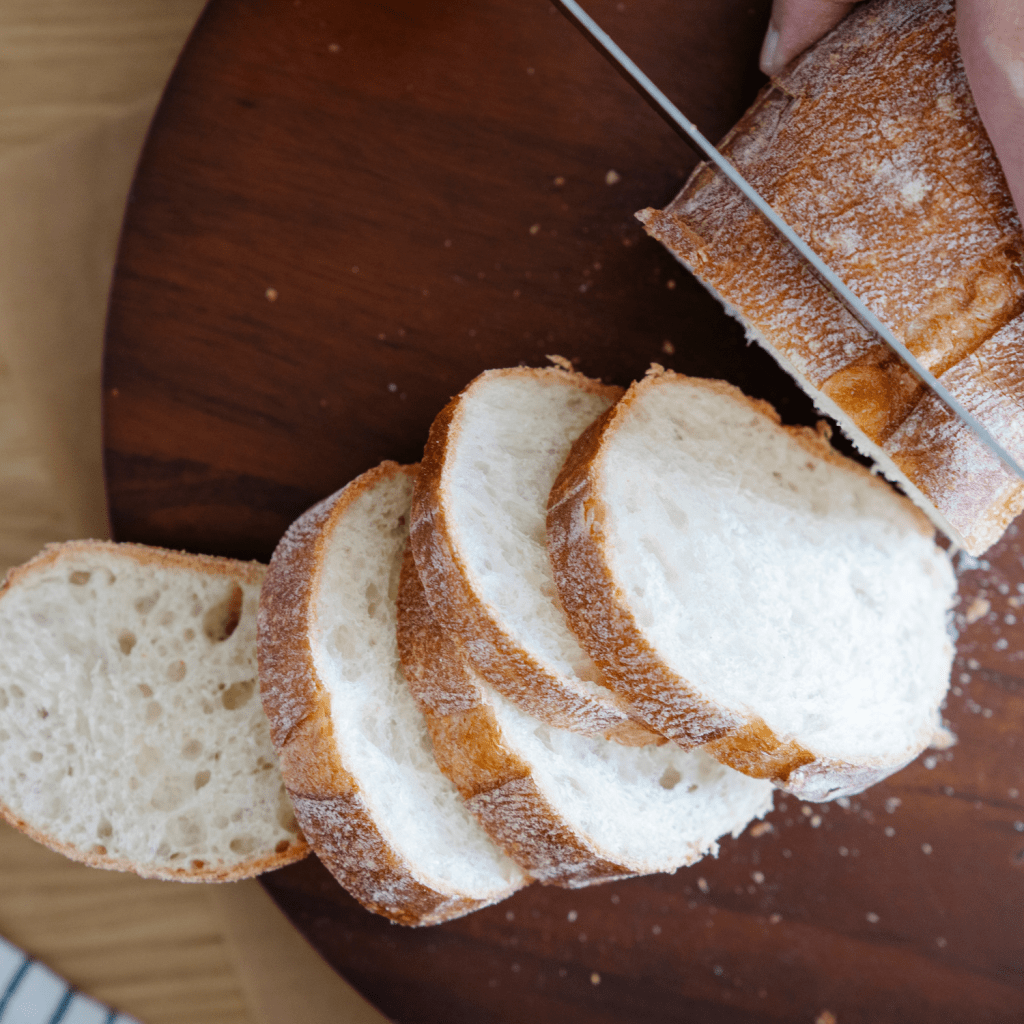
For example, many people would label simple, starchy foods such as white bread or crackers as “bad”. However, if you’re having stomach issues, these foods are often the best choice. They’re easy to digest, and give your body the energy it needs to heal.
Another powerful example, for me personally at least, would be Cola/Coke – sure, it’s not a nutrient dense food, but when I’m feeling nauseous and my stomach is bugging me, you will always find me gulping a glass of cold Cola. It heals like nothing else. And it’s delicious.
If you enjoy running, you’re likely familiar with gel packets runners use during the race; these are just sugar. Which is the healthiest choice during the race because it gives runners quick, easy energy they need. Broccoli just wouldn’t hit the same!

I’d urge you to think of more examples like this, in my coaching with clients I always find it helps them shift perspective. It helps them, as I hope it helps you, understand that the healthiest choice isn’t always the most nutrient rich food. Health and nutrition just aren’t that black or white, mostly, the healthiest choices for you will exist in the gray area, and that’s perfect!
Every Food Serves A Purpose
Some foods we eat are nutrient dense. They will provide us with vitamins, minerals, antioxidants and play an essential role in nurturing our health. Which is amazing!
Other foods give us quick energy when we need it, or just comfort and satisfaction. Maybe you’re studying for an important exam, and between sessions you take time to enjoy a delicious cinnamon roll with some cocoa – providing you with quick energy, but also helping you relax and cozy up, even if just for a bit.

In a healthy, happy eating world, all foods fit.
Instead of micromanaging every bite, when you practice intuitive eating, you learn to embrace variety, balance, and how foods make you feel.
Some days you might have absolutely no energy or will to cook a nutritious meal, and you’ll eat some pizza and be done. That’s okay.
Other days, you’ll find yourself craving fresh, crunchy vegetables and you’ll get excited about a big, colorful salad bowl. That’s great too!
As my clients always realize; our health, mental, emotional and physical thrives on nourishment, pleasure and peace, not deprivation, guilt or stress!
Besides, no single food choice will ever have a big impact on your health (unless you’re very allergic to it, in which case please avoid it) – how you eat long term, most of the time or some of the time is what will ultimately affect your health. Along with all the other health determinants that have nothing to do with food!
The Social and Emotional Role of Food
When you’re steeped in diet culture world, you might think of food as “calories in, calories out”, “nutrients” or “fuel.” Or, worst of all, “empty calories.”
But intuitive eating helps you honor multitude of roles food plays in our lives. Food is also honoring our culture, or other cultures, nurturing traditions, connection with our loved ones, and pure pleasure.

Labeling foods as “bad” can ruin and diminish so many precious moments! For many of my clients, the guilt and shame that labeling foods as “bad” created, made social eating very stressful, causing them to avoid certain foods they love at family gatherings, or feeling anxious about enjoying nights out with friends.
I had a client who even stopped attending family dinners, missing out on so much fun, laughter, love and social connection, because she was afraid restaurants they’ve chosen won’t have any “healthy” foods.
Luckily, working with me helped her stop moralizing foods and embrace food neutrality. She was able to shift her perspective and see that these family dinners nurtured her health in many ways – seeing her favorite cousin, laughing at all the dad jokes, feeling connected. She let go of the harmful labels, and nourished her health by fully enjoying her meals, and great moments with her loved ones!
How Coaching with Me Can Help You Let Go Of Food Guilt And Labels
At the beginning of our working together, many of my clients felt like they were “just trying to be healthy,” but deep down, they were simply exhausted from constantly thinking about what you should or shouldn’t eat, what is “good” or “bad”.
The more they tried to restrict their eating and eat “only good foods,” the more they felt out of control with food. Mostly, they ended up overeating “forbidden” foods, cementing their belief that they can’t be trusted around food and should restrict even more.
If you’re feeling like this, I need to you know that it’s not your fault – it’s the diet trap, and it’s keeping you stuck.

That’s where my Intuitive Eating Coaching comes in. I help you:
- Let go of the food rules, so you can stop the cycle of restriction, cravings, and guilt.
- Eat with confidence, so meals feel easy and natural, not stressful.
- Enjoy all foods again, without the fear of “losing control.”
You don’t have to stay stuck with the labels, food rules and perpetual guilt.
The first step is simply recognizing that there’s another way – a way that doesn’t involve constant overthinking, guilt, or another diet “reset.”
Conclusion: Take the First Step Toward Food Freedom Today
Food was never meant to feel this complicated. Imagine if eating could feel effortless again; without guilt, without rules, and without the fear of “messing up.”
If a part of you is starting to wonder whether food freedom is possible for you, let’s talk. Book a free discovery call today, and I’ll show you exactly how you can start breaking free from food stress—without dieting ever again.
Take the first step toward food freedom – my coaching packages start at only 97€. Click here to learn more!
This post may contain affiliate links. Read our disclosure policy here.

 Nina Kaufmann
Leave a reply to Why the French Don’t Diet (and What We Can Learn From Them) – Nina Kaufmann Cancel reply