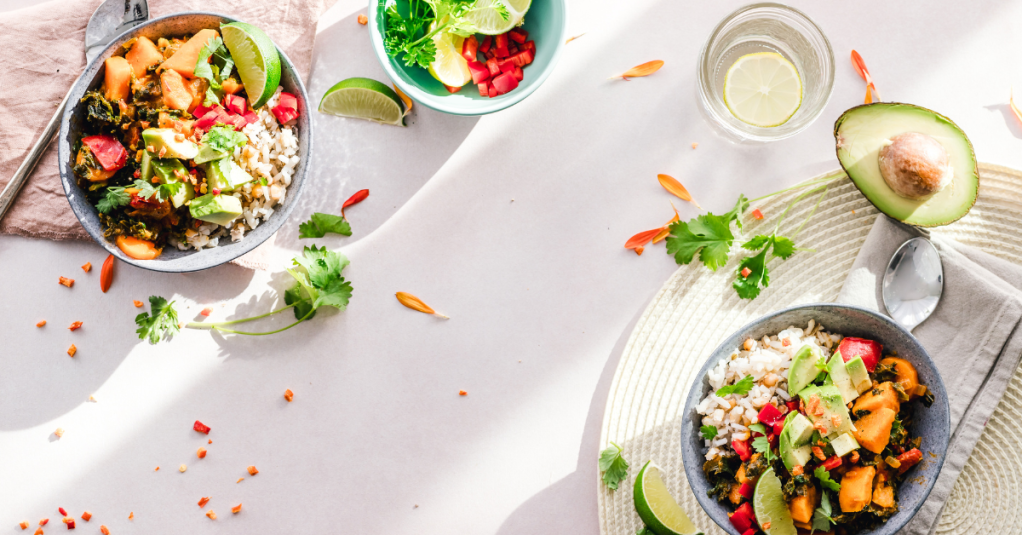
Social media often paints a funny picture of intuitive eating, suggesting it’s an endless binge fest with donuts, burgers, and fries. Many posts feature colorful photos of cupcakes, sweets, and so-called “junk” foods (problematic name alert!), making it seem like intuitive eating lacks any regard for health or nutrition. This couldn’t be further from the truth.
In my free course, Intuitive Eating: Foundation of Health, I explain that when you begin your intuitive eating journey, it’s natural to feel drawn to foods once deemed “forbidden” by diet culture – typically sweets, carbs, or other items labeled as “bad.” The reason these foods are so highlighted in social media discussions is that making peace with them is an important part of the healing process. I’ve never had a client who had issues allowing themselves to enjoy steamed broccoli. Juicy slice of pizza? That’s a different story.
Intuitive eating is not about reckless indulgence or endlessly stuffing yourself with food (we have diets to lead you there :). It’s about rediscovering a balanced relationship with food, free from guilt or restriction.
What is Intuitive Eating?
Intuitive eating is a well-researched, evidence-based self-care practice that encourages a positive relationship with food, your body, and your health. It allows you to eat any food, at any time, without attaching moral judgment to your choices.
In a world dominated by diet culture, this can sound overwhelming. Many of my clients are scared initially, “If I allow myself to eat anything, I’ll never stop.”
The reality? The opposite happens. When all foods are morally neutral, and you give yourself unconditional permission to eat, food is no longer “forbidden fruit”. You no longer feel the urge to overeat or binge on previously restricted foods because there’s no urgency or scarcity mindset. You know you have uncoditional permission to eat, which frees you to make mindful decisions instead of mindlessly eating all of the “forbidden” cookies, feeling guilty and promising yourself a new diet starts tomorrow.
With intuitive eating, you shift from the question “Am I allowed to eat this?” to “What do I actually want right now?” and “Am I physically hungry, or do I need something else?” It’s about considering and honoring multiple factors, such as hunger, nourishment, satisfaction, and availability, rather than following external rules.
Each day can look different with intuitive eating because your needs fluctuate. You learn to trust your internal cues rather than relying on apps or diet plans to dictate what, when, or how much to eat. This practice helps you reclaim your autonomy and become the expert on your own body. It’s all about reconnecting with yourself.
How Does Intuitive Eating Relate to Health?
For years, we’ve been conditioned by the diet culture to equate health with weight. When people say they’re “getting healthy,” it most likely just means they’re dieting or pursuing weight loss (even if they say that’s not the main goal). Unfortunately, many health professionals continue to perpetuate this narrative.
However, true health extends beyond weight. It’s influenced by various factors, some of which are out of our control. What we can control are our behaviors, and it’s these behaviors – not weight loss – that improve health.
Health is multidimensional, encompassing physical, mental, emotional, and spiritual well-being. Dieting and food restriction do not support any of these aspects. In fact, being consumed by thoughts of food and dieting can take you away from overall well-being. It’s incredibly difficult to truly nurture yourself while obsessing over food you’re not allowed to eat all day long.
Intuitive Eating as the Foundation of Health
As you can see, intuitive eating is a powerful tool for fostering health in all dimensions. It invites you to listen to your body’s needs, desires, and signals. You get to enjoy food for its taste while also tuning into how it makes your body feel.
Contrary to popular belief, intuitive eating doesn’t dismiss nutrition. Instead, it encourages you to stop labeling foods as “good” or “bad” and embrace balance. For instance, you might notice that eating only carbs for a snack could lead to a blood sugar crash which leaves you feeling sluggish. Knowing this, you could add fats and proteins to maintain balance and feel better in the long run.
Over time, intuitive eaters often crave a variety of foods, naturally achieving balance without rigid rules. This approach honors both your taste buds and your body’s need for nourishment.

A crucial aspect of intuitive eating is understanding that health is about long-term patterns rather than micromanaging individual meals. No single food or meal can make or break your health.
Are Intuitive Eaters Healthier?
Interestingly, intuitive eaters tend to enjoy a diverse range of foods, from pizza and donuts to fruits, vegetables, legumes, and more. This variety ensures they receive a wide range of nutrients, including essential vitamins, minerals, and fiber – making intuitive eaters healthier in the long run.
When all foods are morally neutral, you’re free to make choices that satisfy both your taste buds and your body’s needs. You might find that eating several slices of pizza leaves you feeling bloated and sluggish. Knowing you can have pizza anytime, you may naturally choose to enjoy a slice or three with a salad instead, leaving you feeling satisfied and energized.
In contrast, those with restrictive eating habits often struggle with bingeing on “forbidden” foods, feeling guilty afterward. This cycle reinforces disordered eating patterns, whereas intuitive eating fosters balance and freedom.
Research supports that intuitive eaters experience less binge eating, improved mental and physical health, better dietary patterns, and – though not the goal – even lower BMIs. However, as we know, health isn’t about weight. It’s about how we nourish ourselves: physically, emotionally, and spiritually.
Conclusion
Health is much more than the food you eat or your body size. It’s shaped by joyful, sustainable behaviors that align with your well-being. If you’re looking to redefine health in a way that brings you freedom and joy, I invite you to work with me!
Working with me will teach you a weight-neutral approach to health, guiding you toward practices that honor your body, mind, and soul for the long term. You’ll learn to cultivate health in a way that ebbs and flows with the seasons of your life, where you are the expert of your own well-being. It’s the best thing you could do for your health.
Are you ready to embrace a positive, lasting relationship with your health? Start your journey here.
This post may contain affiliate links. Read our disclosure policy here.

 Nina Kaufmann
Leave a reply to Why the French Don’t Diet (and What We Can Learn From Them) – Nina Kaufmann Cancel reply