
We live in a world where being on a diet is almost seen as a rite of passage for women.
In my experience, with clients and personal, it usually starts very small; I’ll just “watch what I eat,” or “lose 2 pounds to look like some other girl in the class.” With time, it progresses, we learn new ways of controlling and monitoring our food intake. Slowly but surely, diet culture sneaks into our lives and shapes the way we see food, our bodies, our worth. Especially if we started while young and impressionable.

And because we live in a diet culture, we are usually praised (mostly by other women) for our weight loss efforts. Sometimes, mothers and daughters diet together, self-denial and hunger serving as a connector. If you come from such background, I’m sure you remember distinct moments through your childhood where your mother was pinching her belly or complaining about “cellulite.” Maybe, like mine, she would cook for everyone, but then instead of eating with the family, she watched you all eat.

Personally, from many years of experience with students, clients and recovering from my own chronic dieting, I’m a strong believer dieting is a part of generational trauma. And it must stop with us – I’m sure none of us wants out daughters pinching their bellies, feeling guilty after eating two cookies or missing out on social events because they “feel fat.” Self-hatred, self-blame, anxiety, depression, binge eating is surely not a legacy we want to leave behind. Therefore, we heal!
But here’s the thing: diet culture isn’t just being on a “diet.” It’s a whole set of beliefs that idolizes thinness, equates health with being skinny, and convinces us that our bodies are full of problems that must be fixed if we ever want to be accepted, successful, loved.
It’s not just Atkins, it’s also “cortisol face,” oatzempic, carnivore diets and similar “trends.”
If you’ve ever felt stuck in a cycle of restriction, guilt, and self-criticism around food, even if you weren’t “officially” dieting, you’re not alone and it doesn’t have to be this way.
Let’s look at 7 signs you might be stuck in diet culture and what you can do to break free. And you do deserve to break free and live a full life!
1. You Label Foods as “Good” or “Bad”
If you’ve ever found yourself thinking you’re “being naughty” for eating a slice of pizza, or a cookie, you’ve likely internalized diet culture’s black-or-white mindset. Diet culture has conditioned us to believe that what we eat somehow determines our worth, with the phrases like “I’ve been so bad this weekend, eating all that pizza,” or “I’ve been so good this week, I deserve some chocolate!”
With this kind of thinking, food turns into a moral issue, making you a “bad” person if you “break the rules.”
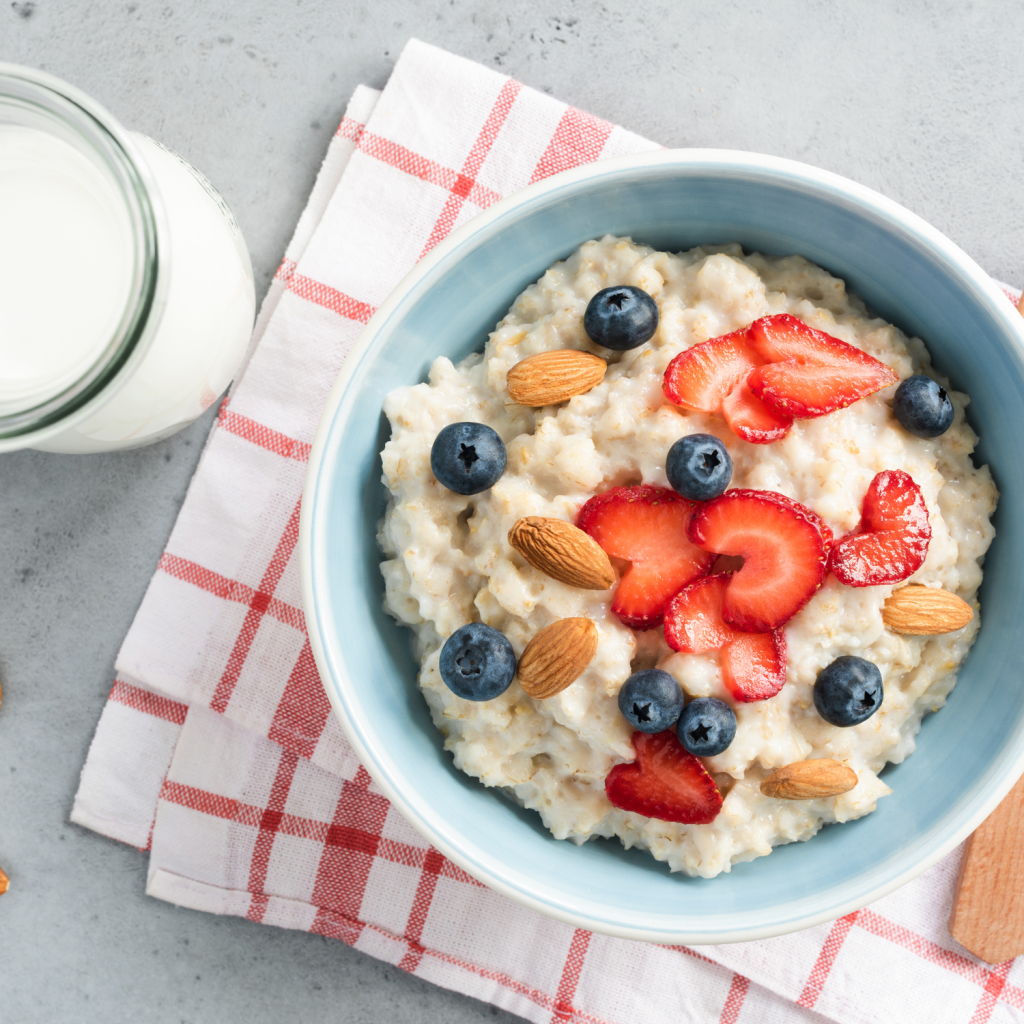
For a deeper dive on the topic, I would recommend reading my article: Why You Should Stop Labeling Foods As “Good” And “Bad”
Turning food into a moral issue is not only exhausting, it’s harmful! It has a negative impact on your mental health, and ignores the facts that all foods serve a purpose, and that all foods play different roles in our lives.
How to break free:
After reading the mentioned article, try viewing all foods as neutral. Food isn’t good or bad – it just is. Some foods offer more nutrients, others more comfort or pleasure. Both are valid and both can be a part of a happy, healthy life. Releasing the moral charge around food is the first step toward a healthier, more peaceful relationship with eating and will help you decrease the food guilt.
2. You Obsess Over “Clean Eating” and try to “eat perfectly”
One of the best marketing tricks diet culture pulled off is rebranding itself as “wellness.” All these “lifestyles” are just diets under different names and will have the same harmful effects that diets do.
This may look like “cutting out sugar,” or feeling guilty if you aren’t able to eat at a certain time, or if your meal wasn’t fully organic. Because of this fear of forbidden, “unclean” foods “rich in sugar” some of my clients haven’t eaten certain fruits for decades, let alone desserts, except when binge eating in secret!
This fear of foods labeled as “dirty” can quickly lead to orthorexic behaviors, in extreme cases to orthorexia. Too deep in this obsession, and you don’t have a life, you only have a menu.

How to break free:
Recognize that taken too far, desire to eat healthy has a negative impact on your mental health and that there’s no such thing as a “perfect diet.” It also helps to notice that if you go down the orthorexic rabbit hole deep enough, after a while there will be no “clean, safe” foods. Someone will have something against any food you choose, even broccoli or tomatoes. “Perfect” diet doesn’t exist.
Instead, lean into gentle nutrition: eating in a way that honors your health and your taste buds.
Flexible balance is more sustainable than extremes.
To start, I recommend reading my article about gentle nutrition goals, and enrolling in my Hormone Nurturing Course – it covers many gentle ways to nurture your health, including nutrition.
3. You Feel Out of Control Around “Forbidden” Foods
Ever been restricting and dieting for weeks, denying yourself that decadent piece of cake, only to end up eating the whole cake when you finally “give in”?
That’s not a lack of willpower; it’s biology.
When your brain senses scarcity, it urges you to eat more when the opportunity arises. And it’s always the foods highest in energy: rich in carbs and fats, which is why you then crave luxurious chocolate cake and ice cream.
Basically, your body is preparing for another famine because it doesn’t understand you’re living in a diet culture where belly fat is unacceptable.
How to break free:
Give yourself unconditional permission to eat. Yes, really. When you allow yourself to enjoy all foods, the intense cravings eventually fade and you stop feeling out of control, binge eating the entire tub of ice cream. Previously “forbidden foods” become normalized, and stop being so “special.”
I know it sounds challenging, it’s arguably the most challenging part of intuitive eating, because the idea that we will eventually stop gorging on cake feels completely crazy.
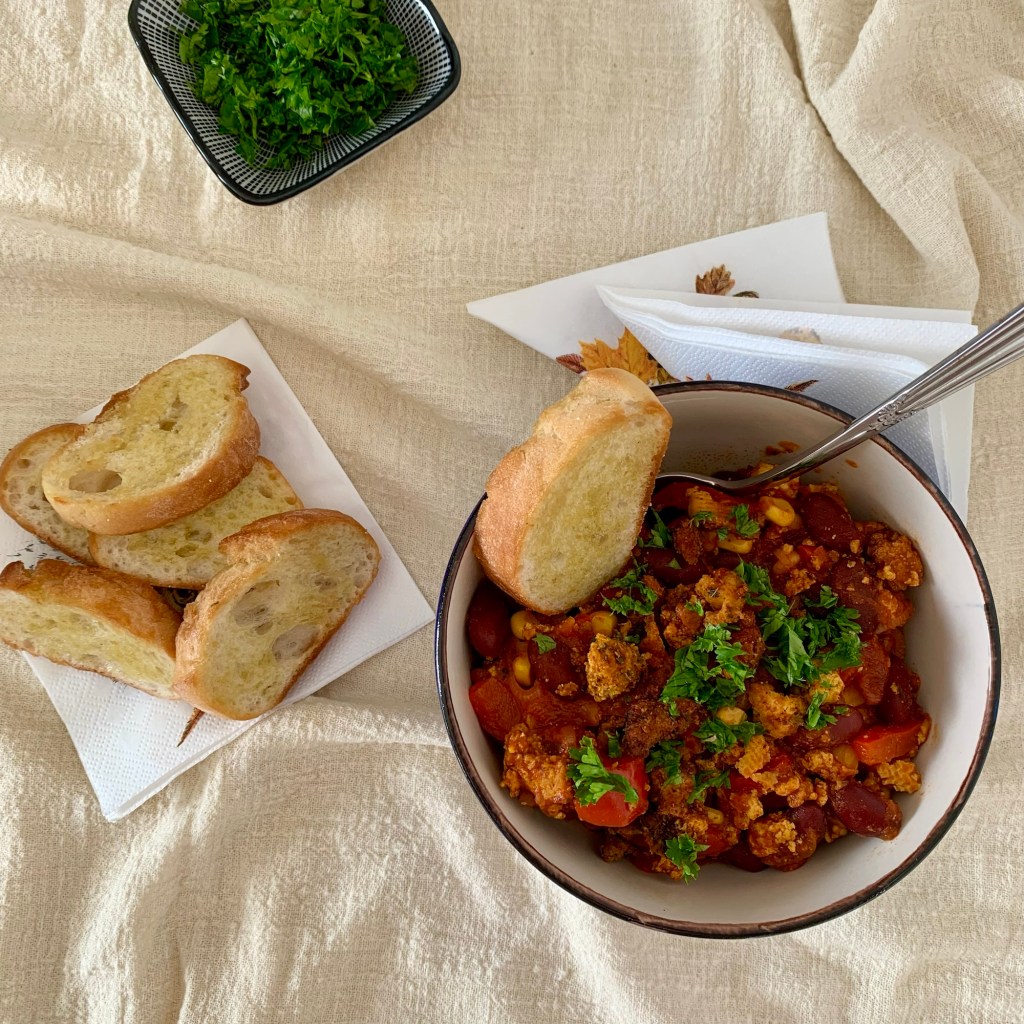
The fear that “if you allow yourself to eat, you will never stop” is 100% valid, and I’ve barely worked with anyone who didn’t have that fear; if you feel like you could never manage to give yourself permission to eat alone, I would urge you to book a free discovery call and work with me. It’s must easier to overcome such a challenge when guided and supported by a professional with many years of experience. I promise you can get there!
Meanwhile, I would recommend reading this article: Think Intuitive Eating Means Overeating? Busting the “Eat Whatever You Want” Myth
4. Body Checking, Comparing Your Body or Diet to Others Constantly
Scrolling through social media, it’s easy to feel like everyone else has it all figured out – the flat stomach, the “clean” meals, the morning matcha and green smoothies. Of course, doom scrolling watching all these “perfect” lives with “perfect” diets, bodies and workout routines can easily make anyone feel overwhelmed and insecure.
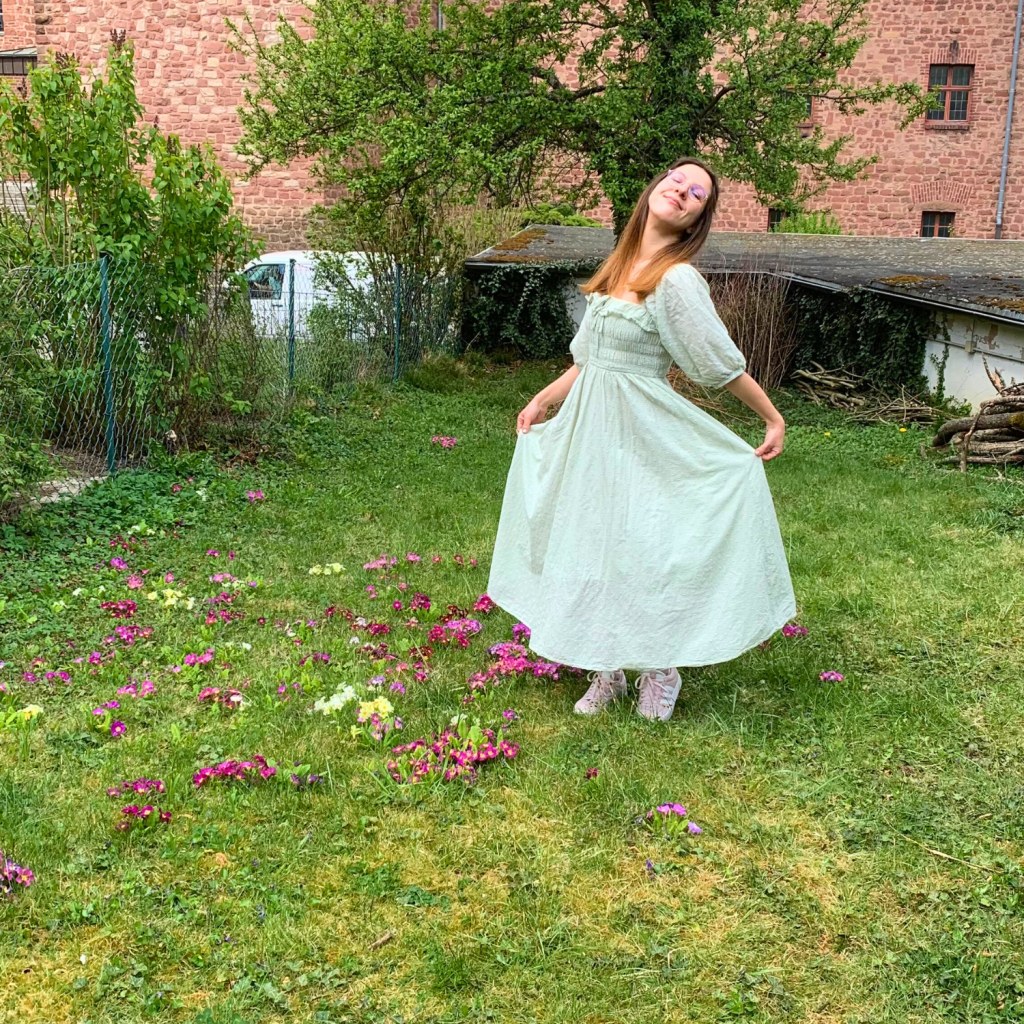
Which is why I need you to remember two things:
1. You never, ever know what’s really going on in that persons life. Little perfect snapshots of cute gym outfits and green drinks don’t adequately represent real life of that person, there have been influencers promoting all sorts of diets while struggling with disordered eating or even eating disorders.
You can never truly know what’s happening behind the cute girl smiling with a salad. She could be struggling, binge eating when the camera is off, running for hours a day to look the way she does, or constantly feeling anxious and guilty because of food.
2. Diet and wellness culture thrive on making you feel like you’re not enough, and it’s their specialty to invent new ways of making you feel ugly – people who are confident and happy in their bodies don’t buy 100 different supplements, creams etc. or fall for “cortisol face” and similar trends.
Your body is not a trend, and being as skinny as possible is not a moral victory (and mostly, it’s not even the healthiest option.)
How to break free:
You are in charge of your online space. Unfollow/mute accounts that trigger shame, guilt and make you feel bad about your life. Remind yourself daily that social media isn’t real, it’s just a bunch of pretty snapshots!
Seek out body-diverse, inclusive voices that promote realistic health and self-compassion. There are many truly body positive fitness and nutrition accounts, including mine, from people who strive to help you be healthy without restrictions, diets, self-hatred and (unhealthy) fitness obsession.
Your worth isn’t up for comparison!
5. You Fear Weight Gain More Than Poor Health or Happiness
Heartbreaking statistics show that “Over half of the females studied between ages eighteen and twenty-five would prefer to be run over by a truck than to be fat, and two-thirds would choose to be mean or stupid rather than fat”, and that “young girls are more afraid of becoming fat than they are of nuclear war, cancer, or losing their parents.” (from “It’s not about food”)
Though these might be horrifying, they aren’t really surprising; after all, fatphobia runs deep in our society. We have all probably seen the way fat people are treated, talked about, handled in medical settings, dehumanized etc., so it’s no wonder at all that nobody would want to be treated like that.
If you yourself notice that the thought of gaining weight brings you more fear than disease, burnout, mental distress, or even missing out on life’s pleasures, you might be stuck in diet culture.
The good news is, we get to change the narrative, and choose empathy and compassion – first and foremost toward ourselves.

How to break free:
Ask yourself: What am I sacrificing to stay small?
Diet and wellness culture makes us give up joy, spontaneity, and self-trust for control. To keep ourselves as tiny as possible.
But health isn’t just about physical metrics; it includes mental, emotional, and social well-being too.
Feeling good in your body, living a full, happy life where you pursue your goals and joy regardless of the weight will inevitably nurture your health more than living in fear of weight gain.
At this point, I would like to gently remind you that whatever you believe weight loss will bring you -health, happiness, success, (self)love, respect, fun experiences – you can pursue and achieve all these things in the body you have right now!
6. You Exercise Mostly or Only to Burn Calories or “Earn” Food
If you see exercise as a punishment for eating or for looking a certain way or a way to “deserve” a treat, you’re not alone.
Diet and wellness culture teaches us that exercise is about changing and punishing our bodies. This is very evident when we notice the toxic, harmful “gym motivation” vocabulary: “shredding” fat, “no pain no gain,” and similar cruel one-liners.
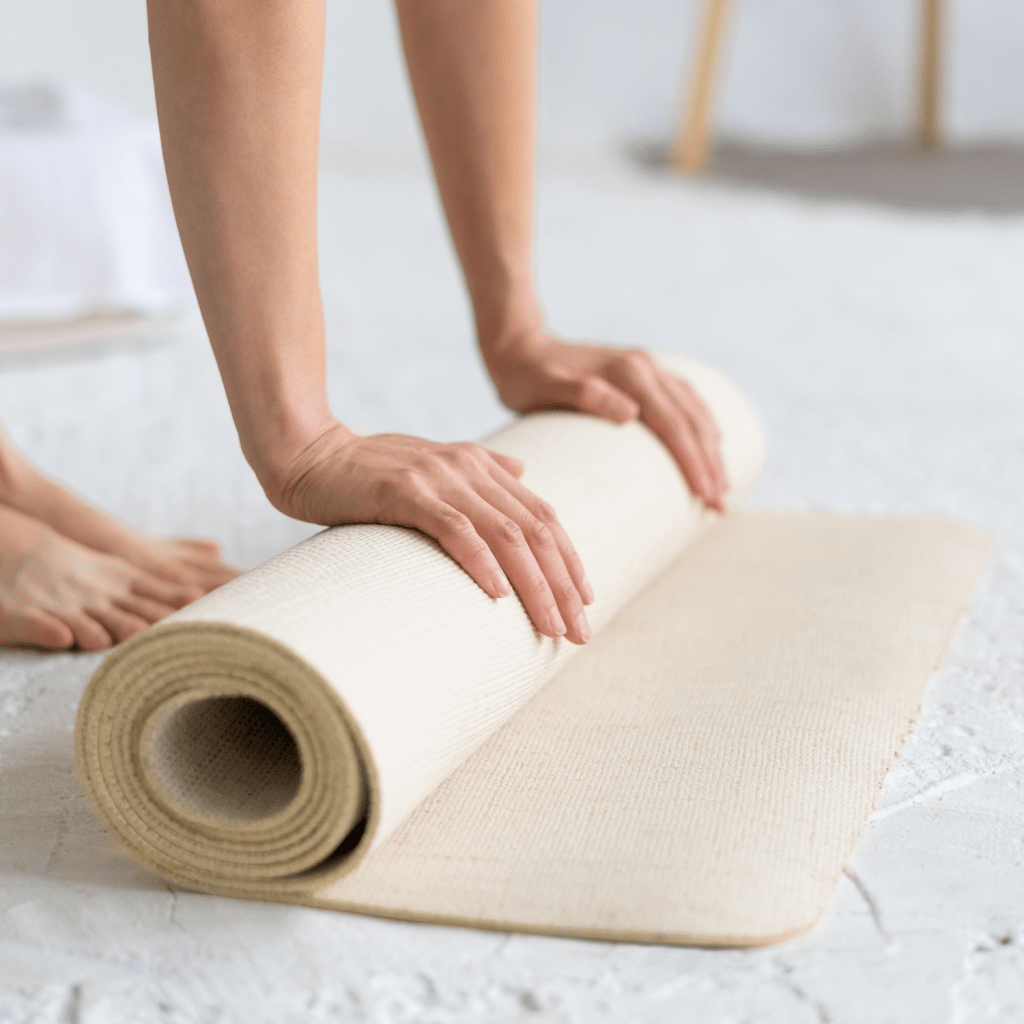
Almost everyone I ever worked with had a wonky relationship with exercise – moving their bodies was seen exclusively as a way to control their bodies, never as a fun activity.
So if you’ve found yourself running on a threadmill for an hour to “deserve pizza,” diet culture’s got you. But don’t worry, you get to change the story!
How to break free:
Firstly, realize that exercise and movement is always beneficial; even if it didn’t lead to shredding anything! Movement is fun and healthy, regardless of how it affects your weight.
Reconnect with movement as a form of self-care.
And secondly, take a moment to notice that moving your body is more than just rigid workouts in the gym. Moving your body is beneficial and will help you feel good in your body even if it’s not a structured exercise.
This means you get to ask yourself what kind of activity feels good in your body? Dancing? Stretching? Walking in nature? Exercise doesn’t have to be intense to be valid. Let it be joyful and fun – this is the best way to make sure you’ll move your body consistently, forever. If something is fun, we want to do more of it!
For further guidance, I would highly recommend my free course Body Positivity in Fitness: Enjoyable Movement for EveryBody, and reading 10 Tips for Joyful Movement: How to Stay Active Without Forcing Yourself
7. You Constantly Think About Your Weight or Body Size
One of the most obvious ways to notice that diet and wellness culture is stealing your life is noticing how much time you spend thinking about your weight or body size and shape.
Do you wake up and body check right away? How often do you weigh yourself? Have you noticed that your mood for that entire day depends on the number that shows up on the scale, or on how your pants fit? Do you decide what to eat or not eat based on the way you feel you look that day?
Maybe you have even missed out on social events because you “felt fat” that day?

Diet and wellness culture thrives, and makes (very, very) good money, on keeping you hyper-focused on shrinking your body, convincing you that “smaller is always better” (it’s not) and that all the problems in life would magically disappear if you reach a certain weight (also not.)
How to break free:
The best “cure” I’ve found for this is simply practicing body respect and body neutrality. With these approaches, you don’t need to love your body, or even feel like your body looks good or attractive by toxic beauty standards.
Instead, you focus on taking care of your body regardless of the size. Meaning, you feed your body adequatly, every day. You move your body, you wear comfortable clothes. You do not pinch, or say hateful things to your body. You just treat it with respect it deserves.
Add to it body neutrality; the thing I always recommend is focusing on everything your body does for you, and everything you’re able to experience because of your body.
Focus on the facts about your body, instead of feelings of inadequacy diet culture fuels. And the facts are, your body works all day, every day to make sure to keep you alive and thriving. The facts are, everything good you’ve experiences in this life, you’ve experiences with and through your body.
And that deserves respect!

For more on this topic, I recommend enrolling in Peace With Food, there’s an entire section teaching body neutrality and respect, among many others!
You Deserve Freedom
Breaking up with diet culture isn’t easy. It means unlearning and releasing years – sometimes decades – of beliefs that told you your body is a problem. It means giving up all these things you were doing desperately trying to fix your body.
It means choosing compassion over criticism, real nourishment over numbers obsession, and trust over control. It means choosing yourself, your well-being.
I want you to know it’s definitely possible. And it’s so, so worth it!
Here you can read about some of the benefits intuitive eating offers: 5 Ways Intuitive Eating Changes Your Life—Beyond Just Food
You don’t have to walk this journey alone. Many women before you, and after you, have been in your shoes. And it’s much easier to heal with a gentle, professional guidance from someone who has years of experience working with women who were going through the same troubles!
How Intuitive Eating Coaching Can Help
Developing a joyful, healthy relationship with food in a world of diet culture can be one of the greatest challenges we face. However, it’s necessary in order for us to truly nurture our health long term. That’s why I offer personalized coaching to support you through every step of this journey.

Together, we’ll:
- Unpack and heal the root causes of your food struggles.
- Gently release the harmful diet rules and beliefs.
- Rebuild your relationship with your body and food.
- Learn health and nutrition tools that actually work for you, not against you.
Clients often tell me they go from obsessing over food and feeling like they “can’t be trusted” to finally enjoying meals again – in peace, in balance, and without guilt. And that’s all I want for you, being able to live a full, happy, healthy life!
Book a free discovery call today, and let’s see how intuitive eating coaching can help you feel more at home in your body; no more diets, guilt, or stress.
I offer different packages so working with me can fit your lifestyle and your budget. Check them out here.
What It Looks Like to Work with Me
Each client’s journey is unique, but here’s a bit of a framework on how we’ll work together:
- Free Discovery Call – No-pressure chat to see if we’re a good fit. No strings attached!
- 1:1 Coaching Sessions – In-depth, 60-90 minute sessions focused on intuitive eating, mindset shifts, and practical strategies, individualized for your specific needs.
- Unlimited Messaging Support – Have questions, concerns or breakthroughs between sessions? I’ve got you covered.
- Workbooks and Practical Exercises – Tools to help you integrate intuitive eating into your daily life; whether we’re talking intuitive eating journals, gentle nutrition guides or coping with your emotions tools!
- Ongoing Guidance and Accountability – Support that flows with your needs, every step of the way. I’m here to listen—while I will offer insights and advice, I recognize that you’re the expert of your body and your experience. Therefore, everything we work through will be centered around your needs.
Or in the words of my client, “Nina helped me change my relationship with food in a way I never thought it could be possible. She gave me life long tools to empower myself and my health.“
Take the first step toward food freedom: my coaching packages start at just 97€!
 Nina Kaufmann
Leave a comment