
I remember visiting family after many years apart. It was an exciting occasion filled with joy and anticipation. Naturally, the visit was accompanied by a celebratory lunch. A week before our trip, we discussed the logistics—where to park, their address, and, then, the most important question:
“What kind of meat do you eat, Nina? What kind of dish should we prepare?”
How often have you found that the meal revolves around meat?
“We have some beef, what can we eat with it.”
“Will you make it to lunch? We’re having chicken.”
Many people associate eating less meat with love for animals, which is a wonderful reason. But it’s far from the only one. Reducing meat consumption benefits the planet—and your well-being, too.
Is Eating Less Meat Aligned With Intuitive Eating?
First things first, let’s answer the essential question: How can we be intuitive eaters and give ourselves unconditional permission to eat, but then choose to eat less meat?
The answer is: it depends on your unique journey (shocking, I know).
If you’re currently starting your intuitive eating journey, and are still in the phase of even allowing yourself to eat all foods—maybe you need to wait a bit after all. Healing your relationship with food can be a fragile journey at the beginning, when you’re still in many ways connected to the diet culture. Therefore, it might be wiser to wait until you feel grounded and secure in your healthy relationship with food, when choosing not to eat something will not trigger you.
As always, it would be the best to work through this with a professional, and you can book your free discovery call with me here. During the call, we will explore how coaching with me can help you, what are some of the things that happen during our time together, and we will simply see if we’re the right fit for each other. No strings attached!
If you’re an experienced intuitive eater, deciding to eat less meat will likely feel like a much easier decision, one that will not trigger old diet-binge patterns.
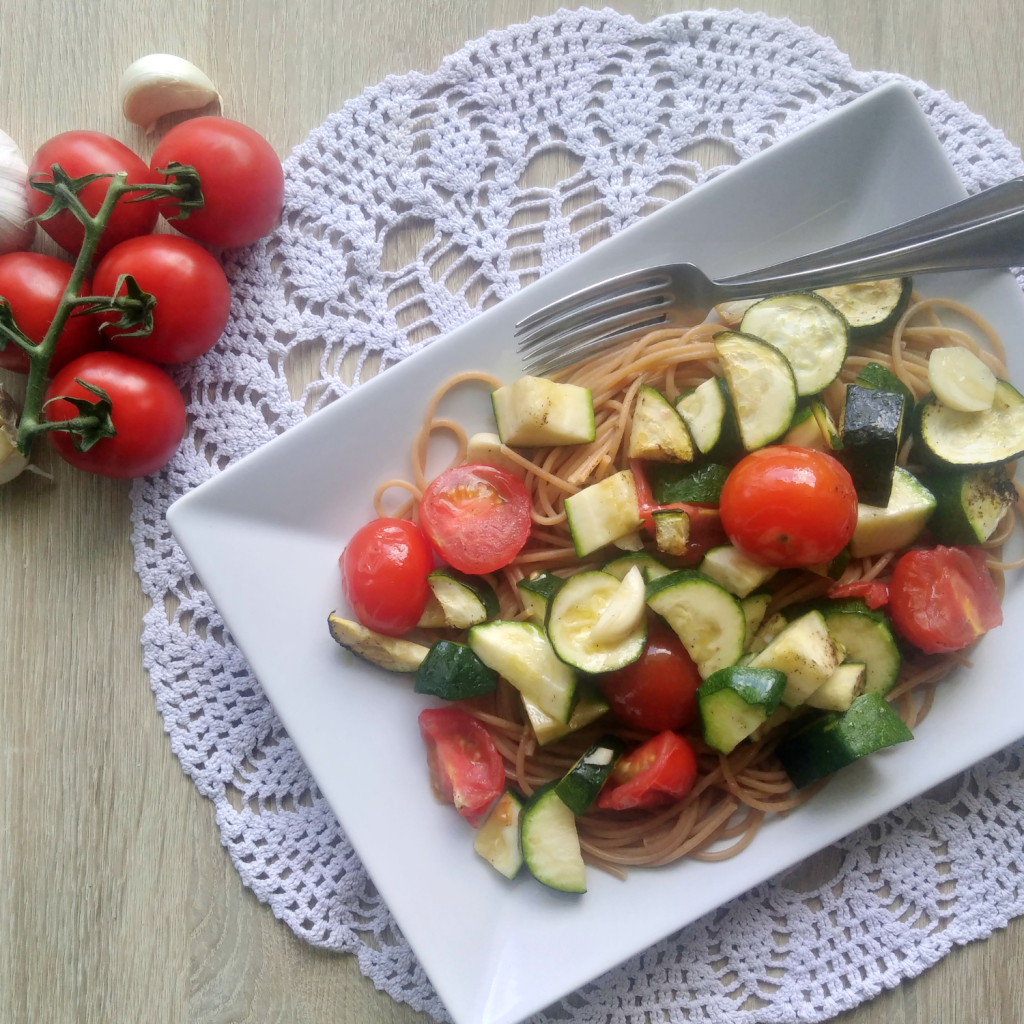
When viewed through the lens of gentle nutrition, it’s easy to notice that a choice to eat less meat, and replace it with something else (more on that below) is definitely aligned with intuitive eating. After all, you are allowed to eat anything you desire, you’re simply making a mindful choice.
And choosing to eat less meat reflects the way you’re connected to the Mother Earth, your small way of caring for her, as well as caring for sustainability.
Reducing meat consumption is therefore a question of taking resposibility and making your food decisions mindfully—not just toward what nourishes us but also toward the ecosystems that sustain life. This decision goes beyond food; it’s an act of compassion, both for yourself and for the world we all share.
Our Food Choices Affect the Planet
Now with some (discouraging) facts.
The resources required for producing meat are staggering. Globally, livestock farming occupies land roughly the size of Africa, while crops occupy less—but around a third of those crops are used to feed animals, not people.
Here’s the return: from every 100 calories fed to livestock, we get just 40 calories in milk, 22 in eggs, 12 in chicken, and a mere 3 in beef. Imagine the difference if we took a small step of just reducing beef consumption.
Animal farming also generates 18% of human-made greenhouse gases—more than all transportation combined. Additionally, a single kilogram of beef requires 43,000 liters of water to produce, while grains need only 1,000 liters.
Not to mention the amount of transportation included in producing the meat; from seed distribution, to growing plants, to delivering the plants to the animals, to transporting animals and more, all the way to us, the consumers, driving to the grocery store or a restaurant and back.
Food miles included in the process are enormous.
Benefits of Eating More Plants
Eating more plant-based foods and reducing meat (or just beef) consumption can bring so many benefits. As you surely know, plants are packed with vitamins, minerals, and antioxidants that support your overall health. They’re great for digestion too, providing the fiber your body needs to feel balanced, supporting stable blood sugar and gut health.
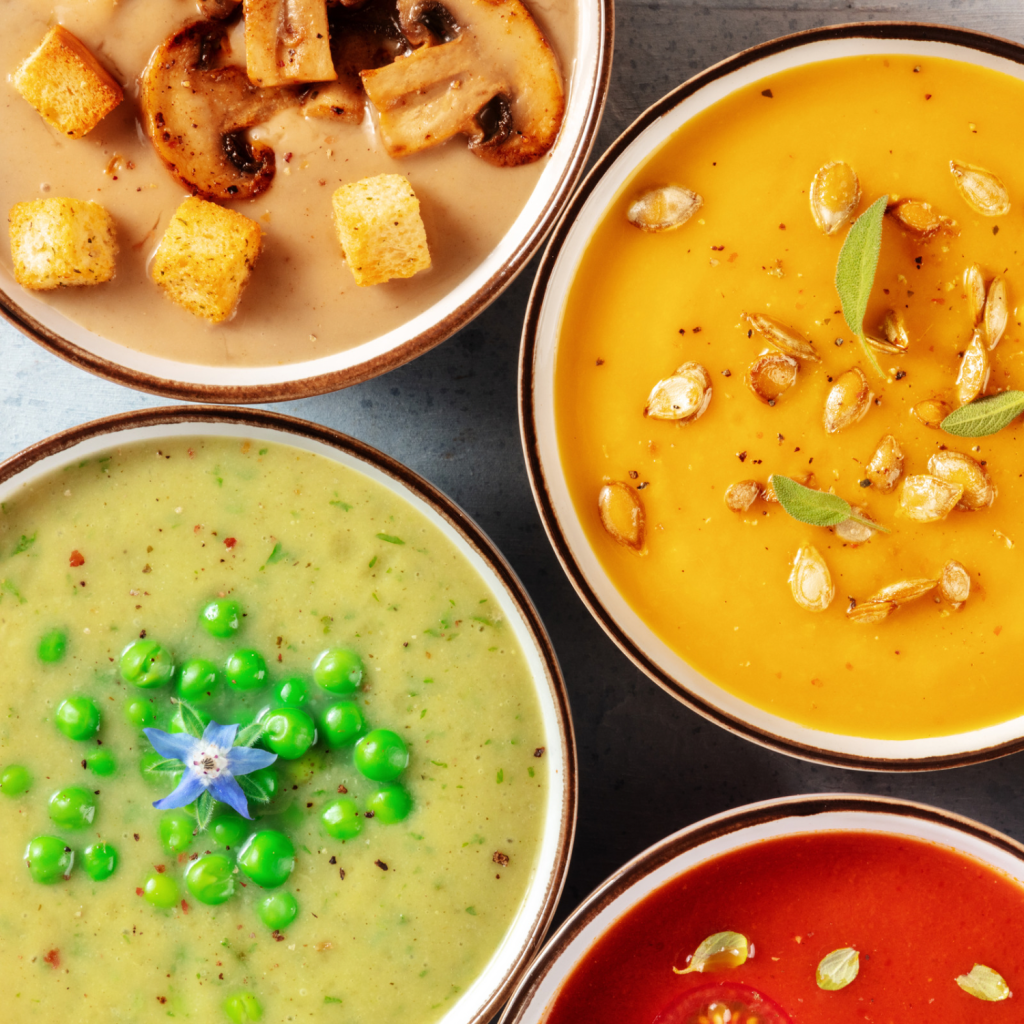
Over time, these small shifts can help reduce the risk of chronic diseases, like heart disease or type 2 diabetes.
But please remember, it’s not about cutting out meat completely—it’s about adding more variety to your meals. Enjoying some new flavors, textures, and recipes can make eating feel exciting and nourishing.
Gentle Shifts for a Healthier Future
The point of bringing these facts up isn’t to scare you into going vegan or make you feel bad about the animal products you consume—that would be wildly hypocritical as I consume animal products as well and I focus on helping you feel at peace with your food.

The point is that only if we’re educated, we can make mindful, conscious decisions and small shifts that will make a big difference long term. (Which is also the base of gentle nutrition itself.)
Now that you know all these things, you can be aware of them when you’re grocery shopping the next time, and apply them in a way that aligns with your values and capacity.
Switching just one meal a week from meat to plant-based will have an huge impact in a span of your lifetime.
As simple as that!
7 Easy Ways to Start
1. Small Steps
Just like with every habit and positive change, you need to start small, in a way that will be sustainable for your lifestyle.
Maybe that does mean switching one meal a week from meat to plant-based.
Maybe you’ll choose to simply make your meat portion smaller.
Maybe you’ll explore some plant-based salami alternative (and there are some delicious ones).
Gradual, easy changes are likely to become a long term part of your life.
2. Do It With Your Family
Everything is more fun when done with people you love. Share the idea of including more plant-based meals with your friends and family.
If you have children, you can involve them too, and teach them about the positive impact they’re having on the planet.

You can organize plant-based dinners with your friends where everyone brings some delicious veggie foods, or you can cook with your family and have them find plant-based recipes they’d like to try.
3. Prep Smartly
Plan your meals over the weekend to reduce stress, when possible.
Having some grains, beans, and roasted veggies ready after a busy day at work ensures balanced, satisfying meals.
Even if you can’t prepare foods over the weekend, try planning what the meals will be. This way, when you’re home and ready to cook, you already know what you’ll be cooking—trust me, it helps a lot with the mental load!
4. Add More Veggies
Make vegetables the star of your plate. Instead of thinking of them as sides to your meat, think of them as a centerpiece; use different spices and sauces, prepare them in different ways, and make sure they add vibrant colors to the meal.
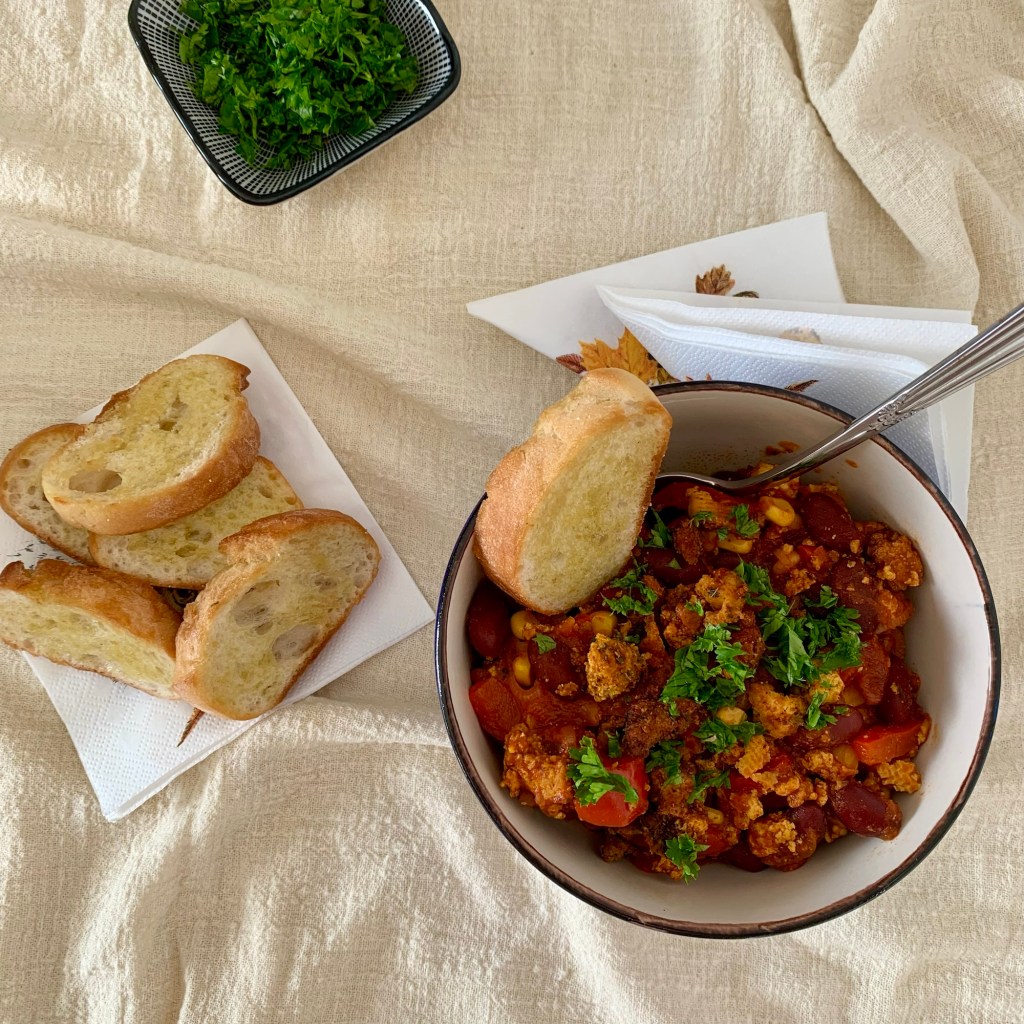
Even just adding a few tablespoons of chopped parsley can elevate a meal!
5. Explore Whole Grains and Legumes
Brown (or fortified) rice and whole grain pasta would be great places to start!
Experiment with quinoa, lentils, chickpeas, and bulgur. These plant-based goodies provide protein, fiber, and nutrients while keeping you full and energized.
6. Tofu Isn’t Just For Vegetarians
Tofu (and other forms of soy) can easily replace—or be combined with—meat in many dishes.
For example, try this ground tofu in a Bolognese sauce or tofu marinated and baked for a satisfying texture.
Tofu really bring its own magic, you can play with infinite number of marinades and recipes—savory and sweet!
My favorite, though, it definitely frying tofu with a simple peanut butter sauce.
7. Experiment With Gentle Nutrition
Using Bolognese as an example again, try playing with the ingredients—almost nobody will complain! Add a bit of lentils, ground tofu, hidden vegetables or mushrooms, and serve with whole grain pasta. Maybe even some plant-based cashew parmesan cheese! Even the pickiest eaters are likely to enjoy it.

Similarly, you can experiment with pizza—because who doesn’t love pizza! Add some whole grain flour or oat flour in your dough, top it with all sorts of colorful vegetables, use meat alternatives instead of regular salami. You can also add ground tofu, or even just eat some salad with the pizza.
Gentle nutrition is impactful without being restrictive.
A More Sustainable Plate
As you can see, making a gentle shift to more plant-based meals isn’t about restrictions or sacrifice. It’s about adding more—more flavors, more colors, more textures and more variety.
Of course, you can still enjoy meat and animal products—I could never give up cheese myself, but hopefully, this article inspires you to approach your meat consumption more mindfully. Not as a restriction, but as a gentle, compassionate way to nourish yourself while taking care of Mother Earth with intention.
Because every small step you take towards mindful eating and sustainable choices has the power to create a ripple effect—impacting not just your health, but the health of the planet. Remember, there’s no need for perfection. Intuitive eating is about making decisions that honor your body, values, and well-being, gently.

If you’re ready to deepen your journey and explore how intuitive eating can heal your relationship with food while aligning with your personal goals, I’d love to support you. Together, we can create sustainable, joyful changes that feel right for you. Learn more about my coaching services and book your free discovery call here.
This post may contain affiliate links. Read our disclosure policy here.
 Nina Kaufmann
Leave a comment